Mindful Marketing
  • Home
    • Ethics Challenge
  • About
    • Mission
    • Mindful Matrix
    • Leadership
  • Mindful Matters Blog
  • Mindful Marketing Book
  • Mindful Ads?
  • Contact

Pretentious Presents

12/19/2015

3 Comments

 
Picture
by David Hagenbuch, Founder of Mindful Marketing
What if Bill Gates were your brother, Warren Buffet were your grandfather, or Mark Zuckerberg were your friend--What would you give them for a gift this holiday season?  Billionaires are notoriously difficult to buy for, but fortunately there’s help . . .
 
Bloomburg Business has come out with “The Billionaire’s Shopping Guide: 13 Gifts for the Person Who Can Buy Anything.”  As the title suggests, this gift-giving resource is aimed at helping the friends and family of the ultra-rich pick the perfect present for that person who already owns almost everything he/she needs or wants.  You can read the full list with the complete descriptions, but here’s a summary:
 
  • A Meal at Every Three Michelin Star Restaurant:  $274, 983
  • A 1962 Aston Martin DB4/GT:  $15, 000,000 - $17,000,000
  • The First Omega Speedmaster Watch:  $100,000 - $150,000
  • Original Art from 'Where the Wild Things Are:  $200,000 - $950,000
  • Rodin’s 'Eternel Printemps':  $489,000 - $597,000
  • Hang Out at the Edge of Space:  $90,000
  • A 1978 Luke Skywalker Action Figure: $12,000 - $18,000
  • A Hand-Painted Dress by Holly Fowler: price upon request
  • Marc Newson 'Extruded Table 3':  $100,000 - $150,000
  • A Wine Château in Saint-Émilion:  $5,190,424
  • Chalcedony Bracelets Owned by the Duchess of Windsor:  $400,000 - $600,000
  • The Chance to Live Like a Spy for Two Months:  $11,300
  • A Trek Through Untouched Rivers and Mountains in Papua New Guinea:  $15,000
 
Although Bloomberg has compiled this list, it isn’t the one selling these items; rather they’re available through a variety of vendors, including Sotheby’s and Christies auction houses, and web-based businesses VeryFirstTo.com and TrulyExperiences.com.  Another of the suppliers is luxury retailer Neiman Marcus, which curates its own unique collection of “Fantasy Gifts” that can be found within the pages of its annual Christmas Book.  Here are a few of its 2015 Fantasy Gifts, which Neiman Marcus describes as “Eye-Popping, Jaw-Dropping Dreams Come True”:
  
  • Arch Motorcycle & Ride Experience:  $150,000
  • World View Exploration at the Edge of Space:  $90,000
  • Italy Tour with Ippolita & Artemest Craftsmen:  $150,000
  • Neiman Marcus Limited-Edition Mustang Convertible:  $95,000
  • Texas Guitar Trio Gift:  $30,000 each
  • Couture Diary: $10,000
  • His & Hers Ultimate Children’s Costumes in Mackenzie-Childs Trunks:  $5,000
  • 12-Day Dream Trip to India:  $400,000
 
Can such extraordinary purchases be justified?  Well, one way may be to look at them as investments.  For instance, cars generally depreciate in value, but perhaps a Limited Edition Mustang Convertible will appreciate if it’s not driven but rather is garage-kept in mint condition.  In that sense, buying a rare car or piece of original artwork is not unlike holding stocks with the hope of a favorable return on investment.
 
Most of the gifts listed above, however, aren’t items that will increase in value over time, and others aren’t physical assets at all; they’re intangible experiences.  Take the Ultimate Children’s Costumes in Mackenzie-Childs Trunks.  It would be cruel to buy a child that special costume she really wants, then tell her that she can’t put it on and play in it.  At the same time, if she does wear Cinderella’s Ball Gown and play with the custom trunk, is it possible for her to realize $5,000 worth of benefits before becoming bored with them or outgrowing the dress?  Probably not.  The same is also likely true of the 12-Day Dream Trip to India.  Speaking from firsthand experience, India is an incredible country that everyone should visit if they have the opportunity, but to drop almost a half million dollars on a less-than-two-week trip seems extravagant, to use an understatement.
 
There’s nothing inherently wrong with owing things or doing things.  We need certain material goods just to function in our world, and some experiences provide real physical, emotional, and other benefits.  Beyond such practical value, possessions can provide a “sense of self” as well as offer “stability and continuity in our lives” (Belk, 2011).  As we grow older and wiser, though, we realize that there’s a limit to these benefits and that consuming too much of even a good thing is wasteful (Chan & Tong, 2006).
 
But, maybe it’s different with gifts:  Don’t people appreciate expensive gifts more than less costly ones?  Not according to Flynn and Adam’s (2009) study in the Journal of Experimental Social Psychology.  While this research revealed that gift-givers thought their more expensive gifts would be appreciated more, gift-recipients did not make the same association.  These finding are consistent with those of Richins (1994) who concluded that people ascribe value to possessions not based on their cost but on the meaning they provide.  In terms of gift-giving, therefore, maybe it really is the thought that counts.
 
Coming full circle, it’s interesting to note that Bloomberg Business, the curator of "The Billionaire’s Shopping Guide” outlined at the onset of this post, also recently ran a piece titled “Most billionaires can’t stay that rich after 20 years.”  A key statistics in the article is “of 289 billionaires in 1995, only 126 still have $1 billion.”  Having money now is no guarantee that one will have money in the future.  So, maybe even a billionaire would be better off with a gift that’s low on cost and high on sentimental value.
 
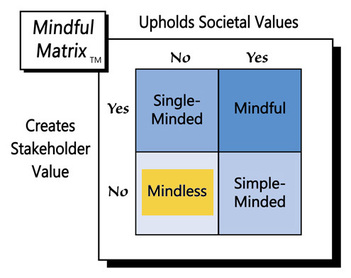
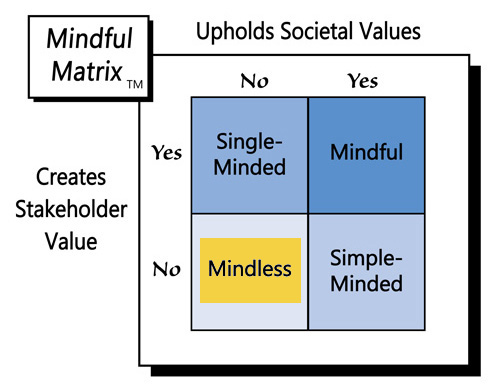
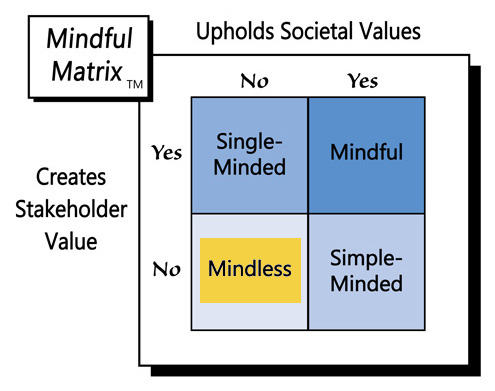
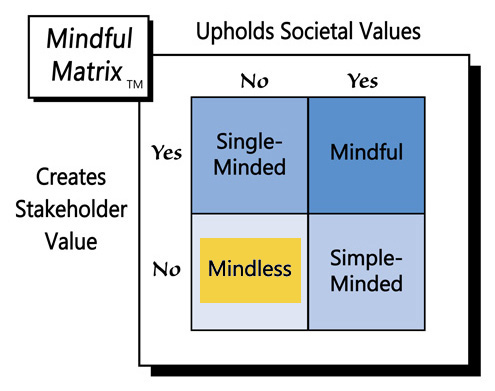
Do ultra-luxury retailers like Neiman Marcus create stakeholder value?  If they sell the extravagances they advertise, they undoubtedly make money, but as discussed above, it’s questionable whether their customers reap proportional benefits.  In fact, an even better question might be “At what point does one stop owning such expensive possessions and they start owning you?  Furthermore, as we become more aware of the negative impact that the overconsumption of a few has on the rest of our world, it becomes apparent that such extreme indulgence doesn’t represent good stewardship, rather it symbolizes “Mindless Marketing.”
​
Picture
Picture
Subscribe to Mindful Matters blog.
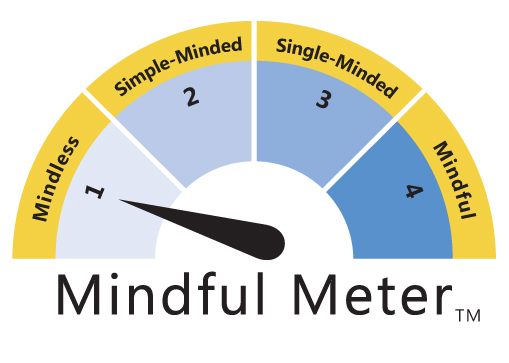
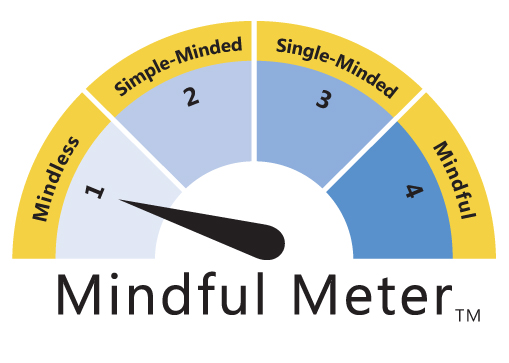
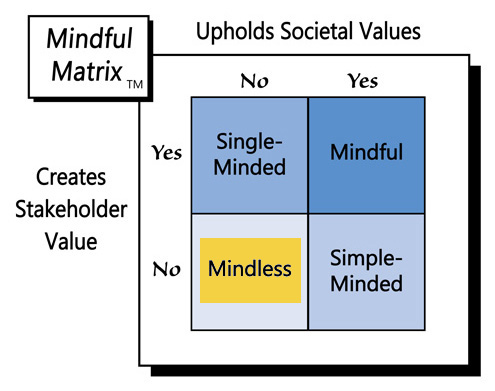
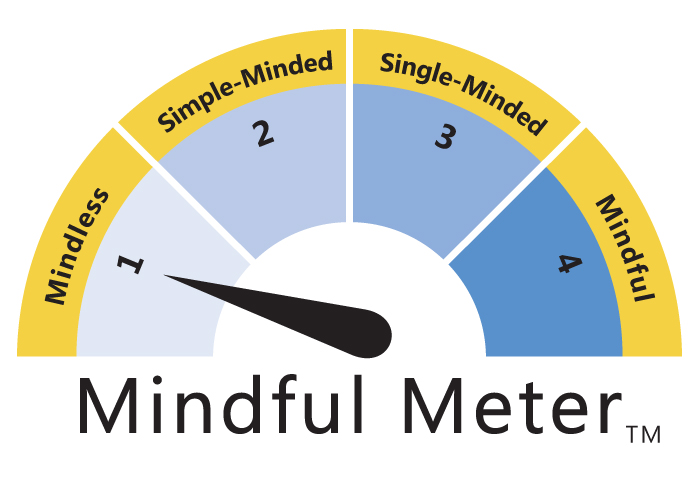
Learn more about the Mindful Matrix and Mindful Meter.
Check out Mindful Marketing Ads
 and Vote your Mind!
3 Comments

Barbie Can't Keep a Secret

12/12/2015

6 Comments

 
Picture
by David Hagenbuch, Founder of Mindful Marketing
Remember that toy you really wanted as a child?  You could hardly wait for your birthday or holiday to come so someone could give it to you.  Depending on your age, it might have been a Nintendo Wii, a Cabbage Patch Kid, or even “an official Red Ryder carbine-action two-hundred-shot range model air rifle,” with a compass in the stock.

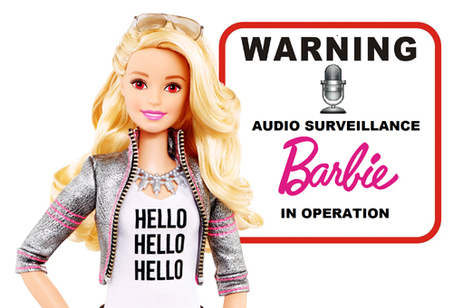
For some children this holiday season, the toy they covet is a very unique doll—one that talks.  Of course, dolls have been talking for decades, so what makes this one special?  The difference is that this doll also listens and offers relevant responses.  Her name is “Hello Barbie,” and she’s being billed as the “World’s First Interactive Barbie Doll.” 
 
Mattel, the planet’s second biggest toy producer and the maker all things Barbie, started selling the iconic doll in 1959.  Since that time, Barbie has fascinated many generations of children, as the brand’s namesake doll has taken on a variety of ethnicities and numerous occupations including doctor, astronaut, and NASCAR driver.
 
How is Hello Barbie able to interact?  Mattel has built into Barbie WiFi receptivity and speech recognition technology, which a parent initially activates using a smart device (phone, tablet, etc.) and a downloadable Hello Barbie app.  Setup also involves establishing an on-line account with ToyTalk, a third-party service provider that handles the recording  and uploading of conversation with Hello Barbie to the Cloud, where the information is processed and fed back down to Barbie in the form of a relevant response.
 
Here’s some of what Mattel says on its website to promote the new product to on-line shoppers:
 
“Now, you can chat with Barbie®!  Using Wi-Fi and speech recognition technology, Hello Barbie™ doll can interact uniquely with each child by holding conversations, playing games, sharing stories and even telling jokes . . . She's ready to discuss anything in an outfit that blends trendy and techie for a cool look.  Use is simple after set up -- push the doll's belt buckle to start a conversation, and release to hear her respond.  More than 8,000 lines of recorded content means countless hours of fun!  Just like a real friend, Hello Barbie™ doll listens and remembers the user's likes and dislikes, giving everyone their own unique experience.”
 
She sounds like fun, so why has the Campaign for a Commercial-Free Childhood chosen Hello Barbie as its “Worst Toy of the Year,” and why are some news media saying she may be the worst toy ever?  It’s because Hello Barbie can be a bit of a blabber, i.e., what’s shared with Hello Barbie doesn’t necessarily stay with Hello Barbie.
 
ToyTalk’s privacy policy says that the company collects parents’ email addresses for purposes of consent, that it may automatically capture recordings of children under the age of 13, and that it may collect certain “advertising identifiers,” which “may be considered personal information under COPPA,” the Children’s Online Privacy Protection Act.  The company acknowledges that children may “provide additional information” during their interactions and promises to delete such content; however by virtue of their parental accounts, parents also have access to these recordings and may even share them on third-party sites.
 
How will ToyTalk use the information it collects and keeps?  The company first says that it will use it to “to provide, maintain, and analyze the functioning of the Service, to develop, test or improve speech recognition technology and artificial intelligence algorithms, and for other research and development and data analysis purposes.”  ToyTalk adds that it won’t use the recordings to “contact children or to advertise to them”; however, it also says that it may use identifiers for “contextual advertising” as well as to “determine the popularity of certain content.”
 
Based on these policies, there should be a least some suspicion of how much Hello Barbie can be trusted, but these aren’t the only concerns.  Perhaps an even bigger worry is the security of the system.  For one thing, the doll uses a digital ID that’s susceptible to spying by anyone who can hack into the toy/server connection—a vulnerability of both the Android and Apple versions of the Hello Barbie app.  In addition, researchers at Bluebox, a San Francisco-based security firm, “found that phones with the app will automatically connect to any Wi-Fi network that includes “Barbie” in its name.”  Furthermore, the server/doll connections are vulnerable to an encryption-busting bug called Poodle.
 
These fatal flaws haven’t gone unnoticed.  In fact, attorneys recently filed a class-action lawsuit in Los Angeles Superior Court against Mattel, ToyTalk, and kidSAFE, an organization that’s supposed to ensure that toys comply with COPPA.  A key point of the legal action is that “there aren’t enough protections in place to be sure that the voice coming from Barbie is that of the actual toy and not a predator who has hacked it.”  That should be a very scary thought for any parent.
 
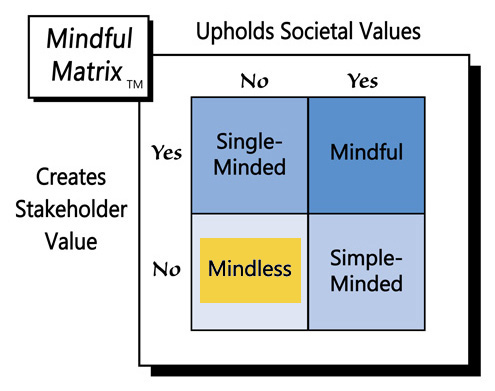
In sum, there’s little hope that what young users share with Hello Barbie will stay a secret between them and their toy.  That lack of privacy should be a big concern for any consumer group, but especially for one that's very vulnerable to abuse, like children.  Given the considerable risk involved in using such a toy, it’s doubtful that Hello Barbie will see significant sales, or create much stakeholder value.  Likewise, because of its disregard for privacy and lack of fairness to children, the toy compromises key societal values.  As a result, Hello Barbie has earned another dishonor, that of “Mindless Marketing.”

Picture
Picture
Subscribe to Mindful Matters blog.
Learn more about the Mindful Matrix and Mindful Meter.
Check out Mindful Marketing Ads
 and Vote your Mind!
6 Comments

NFL Trades Touchdowns for Putdowns

10/31/2015

5 Comments

 
Picture
by David Hagenbuch, Founder of Mindful Marketing
In what seems to have become standard procedure, the NFL again finds itself on opposite sides of an important social issue.  On one side of the field the league has assembled a formidable defense against physical and verbal abuse--NFL Characters Unite (NCU).  This roster of 19 past and present NFL greats, including Richard Sherman, J.J. Watt, and Mario Williams, forms the core of a special team tasked to sack bullying.
 
On its website, NCU players and coaches share their own growing-up struggles, like overcoming stuttering and learning disabilities, while supporting today’s young people in surmounting their social stigmas.  The NCU Playbook’s “End Bullying Zone” also diagrams specific plays parents can use to block abuse like looking for specific warning signs.
 
It wouldn’t be NFL football, however, if there wasn’t another team pursing the opposite goal.  No, the league hasn’t officially fielded a team to bolster bullying, but the latest DirecTV ad campaign for NFL Sunday Ticket comes close.
 
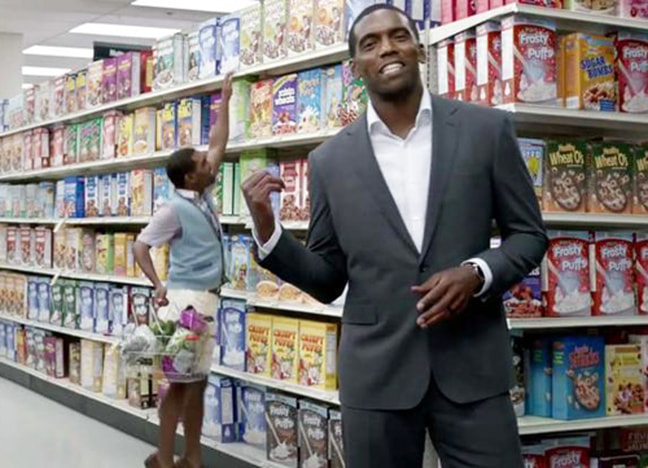
Each of the new commercials features a well-known NFL player who appears in the ad both as his cool, DirecTV-watching self and as a cable-constricted alter ego—some socially strange version of the man, made as unappealing as possible.  The cast of contrived characters includes Arts & Crafty Tony Romo, Out-of-Control Beard Andrew Luck, Bad Comedian Eli Manning, Petite Randy Moss, and Really High Voice Payton Manning.  Of course, the NFL Sunday Ticket ads are knock-offs of another celebrated DirecTV campaign that recently featured Rob Lowe and ten of his own alter egos.
 
All of these ads are examples of comparative advertising, the practice of disparaging a competitor’s offering in one’s own ad.  Although somewhat uncommon because of its risky nature, the promotional approach is especially evident around election time when many politicians find it effective to put down their opponents in order to elevate their own campaign stock.
 
As the FTC’s 1979 “Statement of Policy Regarding Comparative Advertising” suggested, truthful comparative advertising can benefit consumers.  Companies often leverage classical conditioning to extend the positive characteristics of people, including celebrities, onto their goods and services.  For example, a 30 second TV spot for Insperity transfers the trustworthiness of renowned sports broadcaster Jim Nance to the lesser-known HR services provider.  Unfortunately, however, it’s become common for companies to use comparative ads to extend the negative qualities of “undesirable” people onto competing brands.
 
This genre of people comparison is not new.  Apple famously analogized actors in its iconic Mac vs. PC ads in which a hip Justin Long epitomized the cool and consistent Mac, while a frumpy John Hodgman personified the unpredictable and pretentious PC.  More recently, a similar-looking ad for HomeAdvisor featured a tall and fashionably dressed blond woman maintaining the merits of the focal brand, while a shorter brunette actress, outfitted in passé apparel, argued futilely for the key competitor: Angie’s List.
 
People comparison commercials like those for DirecTV’s NFL Sunday ticket land laughs, but they also imply a dangerous message: that it’s okay to pick on people because they look and/or act differently.
 
Granted, the DirecTV ads are intended to be over-the-top exaggerations that viewers would not take seriously, but the examples may not be that far flung.  For instance, perhaps no one is as unusual as “Arts & Crafty Tony Romo,” but there are plenty of people who prefer creativity to competition and who don’t deserve to be the object of a cutting caricature.  In fact, those types of caricatures historically have helped to perpetuate negative stereotypes harmful to specific people groups. 
 
At least one of DirecTV’s demeaning ads isn’t hyperbole at all.  In his 14-year career as an NFL receiver, Randy Moss benefited from his 6’ 4” stature.  Given that the average height for American men is 5’ 9 ½”, there are also many men who are much shorter than the mean, some of whom struggle with insecurity about their height.
 
Philadelphia Eagles running back Darren Sproles, who stands about 5’ 6”, has been one of the league’s most exciting players for a decade.  He also is part of the NFL Characters Unite team, tasked with stopping shaming.  One might wonder how the smaller-than-average Sproles feels about NFL Sunday Ticket’s parody “Petite Randy Moss” whose feet can’t touch the coffee table and whose arms can’t reach the higher shelves in the grocery store.
 
The NFL once again finds itself in a formation of contradiction.  On one side of the line NCU players battle bullying.  On the other side top NFL talent endorses derision of people who are different.  It seems like there could be a more sensitive and effective way for DirecTV to promote NFL Sunday Ticket, perhaps, for instance, by actually showing football!  Although these ads may be memorable, it’s unlikely that they really persuade people about DirecTV, or create long-term stakeholder value.
 
On the other hand, the commercials do succeed in encouraging derision of those who are different, which certainly is not a desirable societal value.  Perhaps if advertising focuses more on comparing products and not people, we’ll sooner abandon such “Mindless Marketing” and arrive at a place where it isn’t acceptable to putdown people, period.


Picture
Picture
Subscribe to Mindful Matters blog.
Learn more about the Mindful Matrix and Mindful Meter.
Check out Mindful Marketing Ads
 and Vote your Mind!
5 Comments

Prankvertising: Fun Taken Too Far?

10/3/2015

15 Comments

 
Picture
by Keith Quesenberry, Assistant Professor of Marketing, Messiah College
Imagine you’re at a job interview, a stressful situation in of itself, when you see something startling in the window behind the interviewer. Falling out of the sky is a giant object covered in smoke and fire. To your dismay, it looks like a huge meteor has hit the ground.  

There’s a giant explosion and debris starts raining down.  You scream and immediately seek cover, cowering on the floor. While crawling towards the door, people rush in with cameras and say, “surprise,” it was just a joke.  The window was really a TV screen and your reaction has just been filmed for an LG ad.

This “so real it’s scary” LG Electronics' video prank has racked up nearly 20 million YouTube views, on top of the nearly 24 million views from a similar video the consumer products producer created the year before. For that prank unsuspecting elevator riders were shocked when the elevator stopped suddenly and the floor, cleverly constructed of LG TVs, made it look like the bottom fell out, leaving a terrifying drop down the elevator shaft.

Pranks that get such genuine, emotionally-charged reactions can make for some very funny videos and draw a great deal of attention, but are they right?  As more and more brands use this technique it’s gained its own name: “Prankvertising.”  Dwayne W. Waite Jr. of the advertising creative recruiter Talent Zoo defines Prankvertising, as advertising that singles out or takes advantage of certain audiences for the sake of advertising its good or service.  In a blog post on the subject he questions whether this type of advertising is creative or exploitive? 

USA Today describes this new form of advertising as a technique for attracting Millennials with an “outrageous form of digital Candid Camera-on-steroids pranks,” the aim of which is “to catch and film folks in the most embarrassing, degrading or — in this case — scary-as-hell situations.” Is Prankvertising “reality TV gone nasty,” or is it a new way to advertise effectively?


In an Adweek article many advertisers say it’s hard to draw direct links between stunts and sales. Most marketers seem to be happy with generating high levels of sharing and online views while saving money over paid media. “From our perspective ... it will more than pay for itself in earned media and ‘share of conversation.’ That, in turn, translates into brand worth, which in turn drives sales,” says Thomas Moradpour, VP, Global Marketing at Carlsberg. 

Carlsberg created a prank where someone calls a friend at 3 a.m., telling them he’s lost $400 in a back-room poker game and needs the money now or he can’t leave. Arriving in a sketchy neighborhood the friend has to get past bouncers to drop off the money. Then the promotion for Carlsberg is revealed as everyone raises a glass to true friendship. The video drew a frightful reaction from unknowing participants, but also 1 million views in its first four days online.

Are these pranks what’s needed to get views these days?  Perhaps Prankvertising is what marketers and their advertising agencies must do to grab attention in an ultra-competitive, extremely cluttered environment.  What if the participants sign a release and say they are fine with the joke?  Does that make it right?  Do the ends justify the means? 

AIDA, a model that suggests how advertising and selling work, proposes that consumers pass through five distinct stages:  Attention must first be captured, followed by Interest, Desire, and finally Action.  The shock of Prankvertising may get views (i.e., attention and interest), but that doesn’t mean it’s generating interest and desire for the product, particularly the final act of purchase. 


Similarly, a study published by the American Psychological Association found that violent and sexual media content may impair advertising’s effectiveness and ultimately deter purchasing.  Ads with violent or sexual content (shock) decreased advertising effectiveness measured by brand memory, brand attitudes, and buying intentions.

In the end these viral videos may garner views, but what's the cost to marketers who are not actually increasing stakeholder value?  Likewise, what's the impact on societal values and the people who are the brunt of the jokes?  If this "Mindless Marketing" continues, to what extremes will promotional pranks eventually go?

 
Picture
Picture
Subscribe to Mindful Matters blog.
Learn more about the Mindful Matrix and Mindful Meter.
Check out Mindful Marketing Ads
 and Vote your Mind!
15 Comments

Dirty Diesel was No Accident

9/26/2015

9 Comments

 
Picture
by David Hagenbuch, Founder of Mindful Marketing
​“Everyone makes mistakes.”  “To err is human . . .” (Alexander Pope).  “All have sinned . . .” (Romans 3:23, NIV Bible).

It’s not surprising that people mess up. It’s also no wonder that organizations misstep; after all, they’re collections of people. What is amazing is when a group of very smart people puts their heads together and plans a misdeed, case in point: Volkswagen.

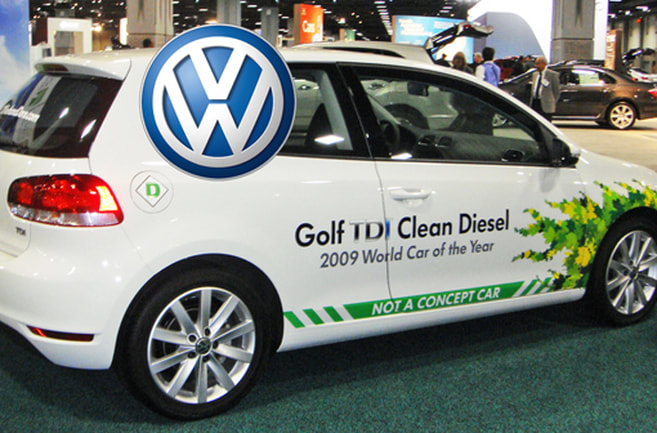
By now you’ve heard of the German automaker’s emissions scandal. In a brief, VW “cheated diesel emissions tests in the U.S. for seven years.”  More specifically, the company programmed the software in many of its diesel vehicles to recognize when they were undergoing an emissions test and to temporarily reduce emissions in order to trick the testing instruments.

Why did Volkswagen cheat? As you might guess, cost was a consideration. The company chose to save money by not installing in its vehicles what most manufacturers use to reduce auto emissions: “a urea-injection system, often called AdBlue, which uses a chemical catalyst to make sure unburnt fuel doesn’t get into the exhaust.”  Without AdBlue or similar technology, VW vehicles would pollute more than EPA emission guidelines would allow.  So, the company decided it would be more economical to trick the testing equipment than to legitimately lower emissions.

How a small lab in West Virginia uncovered the scheme of one of the world’s largest automaker’s is another fascinating part of the story, which I’ll not elaborate here. The end result is that about 11 million vehicles appear to have been affected, which has caused VW’s stock price to plunge and has led to the resignation of the corporation’s CEO, Marin Winterkorn.

Although huge, the number VW cars involved is still dwarfed by Ford’s “Failure-to-Park” recall of 1980, in which the American automaker had to foot the bill for over 20 million vehicles whose transmissions inadvertently shifted from park to reverse. This defect cost Ford around $1.7 billion, but more significantly, it led to about 6,000 accidents, 1,700 injuries and 98 deaths.

In the case of these auto recalls, some mistakes appear bigger than others because of the size of the human toll and other damages. VW’s emissions scam caused no direct harm to people or property; still, the German automakers’ emission scandal will live in infamy for another reason—its malevolence.

Most other auto recall cases have been the result of negligence, i.e., people overlooking critical details because they failed to perform their work as carefully as they should. The ensuing consequences were very negative, but they were largely accidental. Even if there were attempts later to cover up the carelessness, the original error was unplanned.

VW’s case appears to be the exact opposite: employees weren’t careless; rather, they were precise in their intent to implement a defeat device that would operate outside the limits of the law. Volkswagen’s actions demonstrated criminal forethought and deliberateness that constitutes malice: “the intention or desire to do evil.” Or, to use a morbid metaphor of killing, while other car companies’ recall-related actions might represent unintended manslaughter, VW’s would represent premeditated murder.

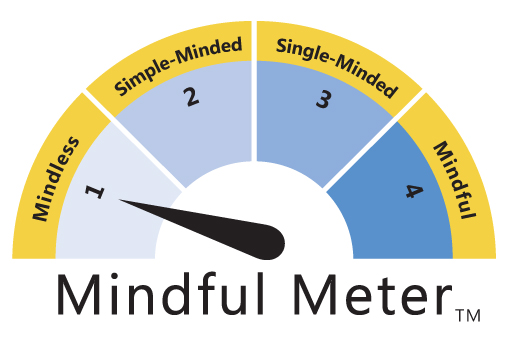
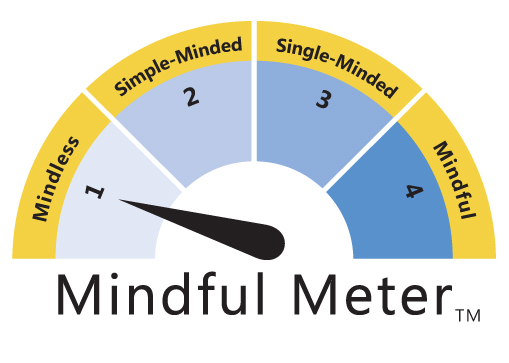
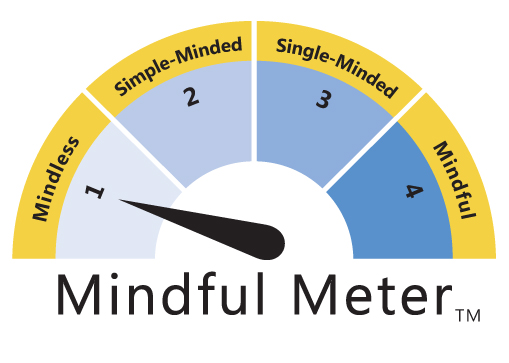
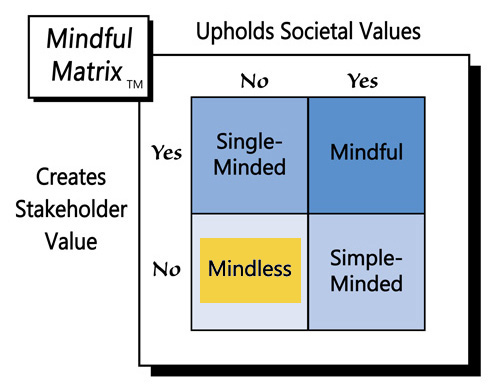
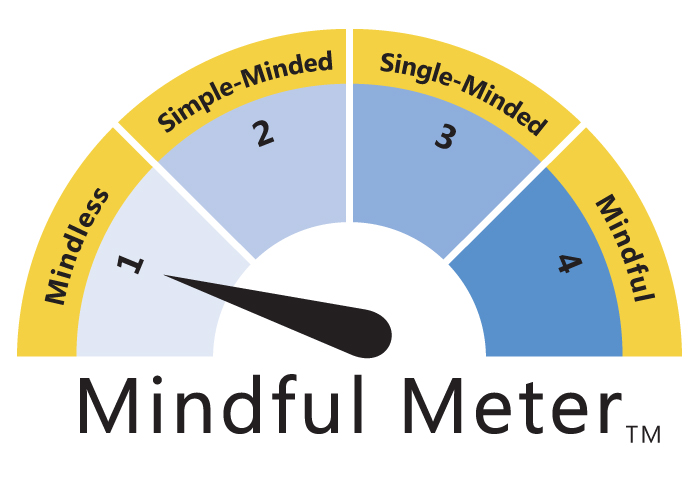
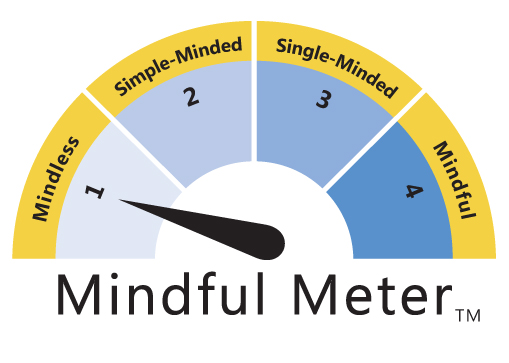
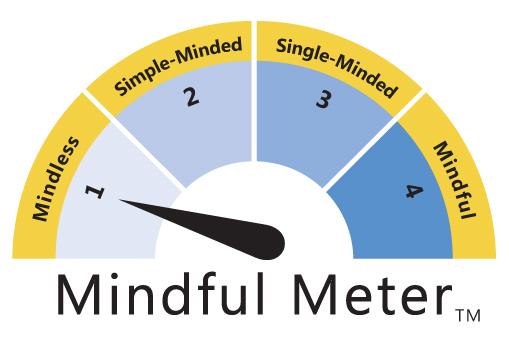
Volkswagen created considerable stakeholder value via the 11 million or so supposedly clean diesel vehicles it sold over seven years in the United States. Unfortunately, that value is rapidly eroding in the face of the company’s compromise of important societal values such as respect for the environment and fairness to consumers and competitors. The lowest reading on the Mindful Meter is “Mindless,” but VW’s actions suggest that perhaps there should be one level lower: “Malicious Marketing.”
​

​
Picture
Picture
Subscribe to Mindful Matters blog.
Learn more about the Mindful Matrix and Mindful Meter.
Check out Mindful Marketing Ads and Vote your Mind!
9 Comments

Dignity for the Deceased?

9/19/2015

25 Comments

 
Picture
by David Hagenbuch, Founder of Mindful Marketing
How would you like to be remembered after your life on earth is finished?  Most people probably would like accurate accounts of their deeds and demeanor, and they’d hope that those recollections would be favorable.  Few people would want to be mocked in their mortality. 

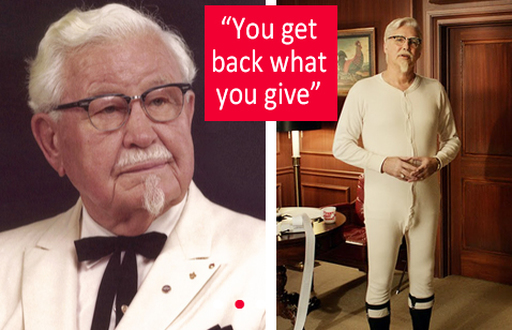
Unfortunately one dearly departed person has recently become the object of derision: Harland David Sanders.  If you don’t recognize the name, it’s because most of us know him as Colonel Sanders, the iconic founder of and spokesperson for Kentucky Fried Chicken (KFC).

Sanders has been roasted in a series of television commercials that have depicted him in several shades of negative light.  In the first set of ads actor Darrell Hammond, of Saturday Night Life (SNL) fame, portrayed Sanders as a giddy simpleton who made silly small talk while shamelessly peddling his chicken products.

In a second series of TV ads, another SNL alum, Norm MacDonald, has replaced Hammond, pretending that he is the “real Colonel Sanders” and that Hammond was an imposter.  MacDonald’s caricature of the Colonel is somewhat more dignified than Hammond’s, which isn't saying much.  Although McDonald doesn’t come across as such a bumbling fool, the sense of the ads is still satirical.  They make fun of Sanders more subtly, for instance, through odd props like a big figurine of himself on his own desk, a calculator that scrolls paper incessantly onto the floor, and a giant chicken bucket from which the Colonel emerges.  McDonald also lampoons Sanders by reciting ridiculous lines (e.g., “after a long day of spontaneous road trips and breakdancing, well, you get hungry”) and by appearing in his long underwear in front of all.

What kind of portrayal does the Colonel deserve?  To answer this question it’s helpful to understand Harland Sander’s history.  Sanders was born into a poor family in Henryville, IN, in 1890.  Hardworking and entrepreneurial, Sanders opened a Shell service station in 1930, at which he started to sell food, including some  tasty fried chicken.

The service station evolved into a restaurant, but in 1955 a new highway bypassed the restaurant, causing the 65-year-old Sanders to close shop and take to franchising his secret-recipe chicken.  By 1963, 600 restaurants were serving “Kentucky Fried Chicken.”  At the age of 74 in 1964, Sanders decided he needed to dial-back his workload, so he sold the business for $2 million, but he continued to serve as the spokesperson and visual identity of the company, which grew to be worth $285 million in 1971.  Sanders passed away in Louisville, Kentucky, in December 1980.

So, Sanders was a driven and successful businessman, but what kind of a person was he?  He was a perfectionist who always wanted his chicken prepared right and who had little tolerance for mediocrity, which elicited his sometimes volatile temper.  At the same time, he also must have harbored good people-skills in order to win-over so many franchisees and to serve as the trusted face of one of America’s most prosperous fast food brands.  In fact, he is said to have had a soft side that included a heart for children.  Above all and in contrast to the current commercials, Sanders was sharp and creative, clearly not a bumbling idiot.

Former Kentucky Governor John Y. Brown Jr., who opened 3,500 KFC stores in seven years after buying the secret recipe in 1964, takes issue with the caricature of the Colonel.  In a phone interview with USA Today, Brown said, “I don't think you make a gimmick out of somebody . . . they are making fun of the Colonel.  It is such a fascinating story, I hate to see them tarnish it.”

So, who’s ruining the reputation of Harland Sanders?  Ironically it’s KFC—the company that retains the promotional rights to the Colonel and that stands to benefit the most from the preservation of his brand.  A review of the KFC website, however, reveals a crazy combination of images consisting of both actual photos of Sanders and outtakes from the outrageous ads.

For instance, in one of the site’s slideshows, a stately portrait of Sanders with the quote “One of my lifetime philosophies is you get back what you give,” is followed by a picture of McDonald in his long underwear.  It will be interesting to see what KFC “gets back” from lampooning its legendary founder.  The new ads are unusual enough to capture attention and retain interest, but it’s doubtful whether the buzz they create will translate into any significant increase in sales, or create meaningful stakeholder value.

Meanwhile, KFC and its parent company, Yum brands, have sacrificed an important societal value by disrespecting the very man who made the franchise possible.  Sanders was not perfect; yet, he should be remembered with dignity.  Neither he nor other deceased persons deserve to be the objects of “Mindless Marketing” tactics.


Picture
Picture
Subscribe to Mindful Matters blog.
Learn more about the Mindful Matrix and Mindful Meter.
Check out Mindful Marketing Ads and Vote your Mind!
25 Comments

Deals "Just for You"

9/5/2015

8 Comments

 
by David Hagenbuch, Founder of Mindful Marketing
Picture
I probably shouldn’t tell you this, but many companies treat me better than they do you.  How do I know?  Because they often send me special offers that are “just for you.”

For example, here are the subject lines of some emails I recently received:

  • Coupons Just for You & 130+ Bonus Buys!
  • David, exclusive offer to earn more miles
  • 2 COUPONS: $20 off and $10 off (just for you!)
  • You're on the list - up to $100 off! Just for you
  • We're serious, you've been picked to get Cyber WEEK Tuesday savings!
  • A special surprise is inside, just for you!
  • You're on our special list! Extra 5% - 15% off, just for you
  • We picked you! You seriously deserve this — Enjoy these amazing discounts
  • Seriously, you made the list! Because you're awesome

Why am I special?  I’m not sure, but apparently these firms have seen in me the same thing that my mother has long recognized.

You may be wondering whether it’s okay to treat some shoppers differently.  Of course, it’s wrong to discriminate against consumers or others based on traits like gender, age, and race.  In a commercial context, however, it is fair to follow quid pro quo: to give something in exchange for something.  Companies should reward their best customers because their best customers offer more business to them.  It’s right to repay such shoppers with special discounts, bonus points, and other incentives in order to thank them for their loyalty and encourage their continued commitment.

However, here’s what’s confounding:  I'm really not a loyal consumer for any of the organizations represented by the emails above.  I buy very infrequently from most of them, and for some it’s been a year or more since my last purchase.  So, then, why are they singling me out as special?

You probably suspected that I’m really not a special consumer to any of these companies, which means I’m probably not the only one getting these “just for you” promotional offers.  You likely receive them too.  If that’s the case, these companies’ email tactics are depending on deception.

Why would some firms intentionally misrepresent the exclusivity of their offerings?  They know that as consumers, most of us are constrained by scarce resources, i.e., we have limited means—a finite amount of money.  Consequently we try to conserve currency when possible.  A special offer sent “just” to us, therefore, suggests not only that can we attain a certain level of benefits at a lower than usual cost but also that the unique opportunity is rare with respect to the experience of the general populace.

In addition, many people are motivated to prevail over their peers, i.e., to attain something that none or few of their friends have.  In short, ostensibly personal promotions tap deviously into both our basic economic intuition and into our egos in order to encourage action that we otherwise might not take.

Of course, deception is not a societal value or any behavior we want to encourage.  The other question, then, is whether feigning exclusivity is effective—Do people respond favorably to individualized incentives?  One study suggests that they do . . . sometimes.  Based on my own experience, I suspect that people increasingly do not.  The more of these purportedly “exclusive offers” I receive, the more I ignore them.  Furthermore, the more I consider the deception underlying the deals, the more their authors alienate me.

So, if my experience and attitude are typical of most consumers, these deceptive discounts represent another instance of “Mindless Marketing.”


Picture
Picture
Subscribe to Mindful Matters blog.
Learn more about the Mindful Matrix and Mindful Meter.
Check out Mindful Marketing Ads and Vote your Mind!
8 Comments

Elder Abuse?

8/29/2015

13 Comments

 
by David Hagenbuch, Founder of Mindful Marketing
Picture
As we grow older, it’s comforting to know that some cultures revere their elders (e.g., China, Korea, and Japan)—they see seniors as sources of wisdom, they appreciate the experience of the aged, and they hold their elderly in high esteem.  Unfortunately the United States is not one of those societies. 

America values youth.  We dote over our infants and acquiesce to our adolescents.  Of course, favorable treatment can be a good thing.  What’s problematic, however, is when a specific segment is treated contemptously, which often is the experience of American elders.

So, if a society spurns senior citizens, what should its marketers do?  Unfortunately German carmaker Volkswagen appears to follow the “When in Rome . . .” philosophy, at least as evidenced by its recent U.S. ad campaign.

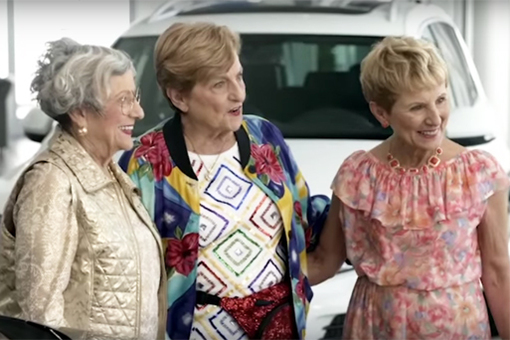
The television commercials feature Mary, Josie, and Teresa, the three “Golden Sisters,” who have become documentary stars on the Oprah Winfrey Network (OWN).  Although the three older women are ostensibly shopping for a new car in the ads, their attention more often focuses on the attractive young men who share the spots.

In one ad the sisters ogle the posterior of a handsome car shopper.  As he bends over to checkout a Passat, the women make socially awkward and sexually suggestive comments such as “Year end, rear end, check-it-out,” “talk about turbo charging my engine,” and “gorgeous.”  One of the sisters also asks him a question overladen with innuendo: “What kind of car do you like: new or many miles on it?”

Serious flirtation continues in a second ad that finds the three older women seated in a new Jetta with a good-looking car salesman riding shotgun.  One of the ladies kisses her index finger and touches it to the lips of the young man as she asks him, “What about a deal?”  The theme then shifts from sexuality to senility, as the ad’s dialogue suggests that the women are forgetful and confused:

“We’re twins, so could you give us two for the price of one.”


“Come on, give us a deal.  Look at how old I am.”

“Do you come here often?”

“He works here, Terry.  You work here right?”

“Okay, let’s get to the point.  We’re going to take the deal.”

So, what’s the problem?  All of us do and say silly things at times.  It’s also true that many media, from internet ads, to TV sitcoms, to newspaper comic strips, poke fun of people in good taste.  There are a few factors, however, that move the Volkswagen ads from funny to offensive.

First, the elderly ladies are the only ones made to look foolish in the ads.  Besides being attractive, the young male actors are calm, cool, and collected.  Meanwhile, each of the ad scripts leads the older women to act like bumbling idiots.  The same selective satirizing is also evident in a recent Rent.com commercial in which a film crew surprises an elderly man taking a shower.  Partially nude, he then toddles with a walker across a room in full view of a half dozen young people as he exclaims “I’m wet.”

Second, the Volkswagen ads reinforce negative stereotypes about older adults, i.e., that all are doddering and disoriented.  While it’s true that our bodies and minds eventually give ground, many older adults remain physically fit and mental sharp for a very long time.  And, even if individuals’ physical and mental faculties have begun to fail, is it right to ridicule them for such deficiencies?

Third, it’s worth asking how the Volkswagen ads would be viewed if actors from different demographic groups filled the roles.  For instance, what if the first ad featured three young men doing the same ogling and bantering with a female car shopper?  We’d call it sexual harassment.  The Volkswagen ads, therefore, appear to portray older individuals as harassers.         

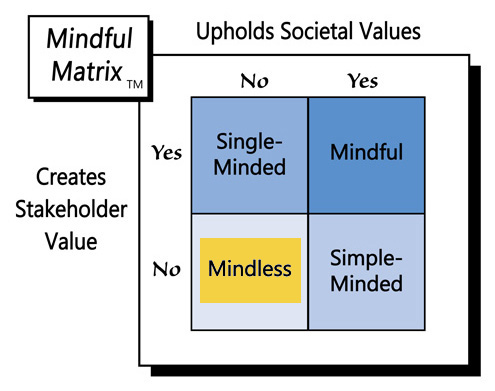
In light of these selective, negative portrayals, Volkswagen fails to support important societal values such as respecting older adults and displaying sexual decency.  But, does VW’s ad campaign represent effective marketing that creates stakeholder value?  Or, more specifically, are the ads likely to move viewers through AIDA, from attention and interest, to desire and action?

I’m not sure of the age range of the target market for Passats and Jettas, but I doubt it includes older adults.  Rather, VW probably targets individuals who could be the grandchildren of the Golden Sisters.   Granted, effective advertising doesn’t always feature target market members, but the key question here is whether the ads convey enough compelling benefits to make a younger demographic, or anyone, want a VW.  I don’t think so.  Furthermore, even if there were a clear unique selling proposition, the idea of one’s grandmother making overt sexual advances might be off-putting enough to overshadow such motivation to buy.

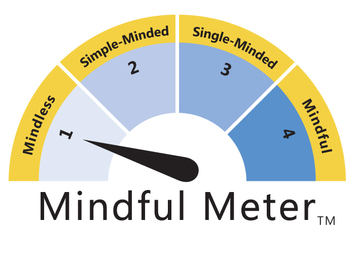
So, what’s the bottom line?  Volkswagen’s lampooning of older adults fails at both upholding societal values and creating stakeholder value, making it another case of “Mindless Marketing.”


Picture
Picture
Subscribe to Mindful Matters blog.
Learn more about the Mindful Matrix and Mindful Meter.
Check out Mindful Marketing Ads and Vote your Mind!
13 Comments

Followers for Sale

8/1/2015

2 Comments

 
Picture
Picture
Picture
MasterCard swiped our attention in the late 1990s with its “Priceless” ad campaign that touted, “There are some things that money can’t buy.  For everything else, there's MasterCard.”  Unfortunately it seems today that “everything has a price,” given that it’s possible to pay for things as unbelievable as prison cell upgrades and human organs. 

Thanks to the digital age and the desire to make big online impressions, there’s a new unseemly item available for purchase: social media followers.  Yes, web fans are now for sale.

I first encountered this phenomenon on Twitter.  As I began to use the platform more, I noticed that my followers numbered far fewer than those of several other Twitter users who recently followed me.  Now, I’m not talking about people like Katy Perry and Justin Bieber, whose followers number over 73 million and 65 million, respectively.  It’s understandable why these global celebrities would have more followers than the populations of the United Kingdom, Italy, and the vast majority of the world’s other countries, even though I’m not one of their followers.

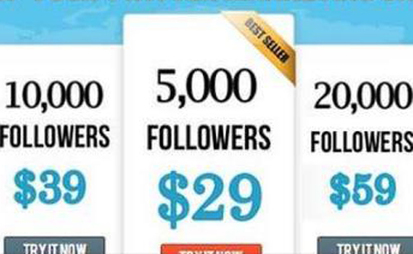
No, the individuals I’m talking about just seemed like ordinary people, certainly not like anyone who could draw a following of tens or hundreds of thousands.  Then I started to notice that some of the people who started to follow me had similar ads in their header photos, like the one shown above, for instance:

- 5,000 Followers,  $29

- 10,000 Followers, $39

- 50,000 Followers, $119

Surprised by these offers, I did some searching on the web and found other options that were even more startling.  For example, the website buyfansmedia.com promises to “help your business get all the ‘Fans’ and ‘Followers’ it needs.”  More specifically, it explains the reason why one should buy Facebook Likes:

“In this crowded and competitive online marketplace, you simply cannot afford to not have a high number of Likes on your Facebook page.  You will come off as unpopular, and visitors will potentially find your page unworthy of their attention and – by extension – unworthy of their business!  The obvious problem here is that it can take months of promotion on Facebook to garner even a handful of Likes . . . That is why many people – especially those who understand the impact of Likes – will buy Facebook Likes.”

Buy Fans Media charges a “cheap” $14 for 500 worldwide Likes and goes up to $1,325 for 20,000 U.S. Likes.  The company claims that the process is safe and says for some of the packages that there are “no bots or fake accounts.” 

Jaqueline Simard, Key Accounts Supervisor for BLASTmedia, however, warns against “Buying Your Friends.”  She argues that purchasing followers is unwise because:

  • An organization’s number of followers will spike in one month, but decline in subsequent months.
  • The web increasingly recognizes and rewards sites that have real, engaged followers, not high numbers of fake ones.
  • Firms receive skewed and misleading audience insight.
  • An organization’s brand will take a hit if it’s discovered to have purchased followers. 

These are all good, practical reasons for not buying followers or Likes, but they miss the most important motive: a purchased social media presence is unethical.  Here are two reasons why:

It’s Deceptive:  Just as Buy Fans Media suggested, people draw conclusions about individuals and organizations based on their social media following.  For instance, when we see many Facebook Likes for a restaurant, we assume that it’s very popular, has great food, etc.  However, purchased Likes hold no such meaning.  Even if the people related to those Likes really exist (i.e., they’re not fake email accounts), they’ve probably never been to the restaurant, so the endorsements are meaningless.  We’re being deceived.

It’s Unjust:  Justice suggests that people's outcomes should be proportional to their inputs: they should reap what they sow.  When organizations purchase Twitter followers, for instance, they receive returns (e.g., notoriety, brand equity) that are disproportionate to the effort they put in: a firm doesn’t deserve to have 10,000 Twitter followers because it forked out forty dollars.  Such a payout is unjust.

The buying and selling of social media followers compromises at least two societal values (honesty and justice), maybe more.  Given the ploy that they are, it’s also doubtful that these practices create long-term stakeholder value—eventually people will see around the façade.  So, there’s little question that the sale of social media followers represents “Mindless Marketing.”


Subscribe to Mindful Matters blog.
Learn more about the Mindful Matrix and Mindful Meter.
Check out Mindful Marketing Ads and Vote your Mind!
2 Comments

Should Retailers Personalize Pricing?

7/18/2015

1 Comment

 
Picture
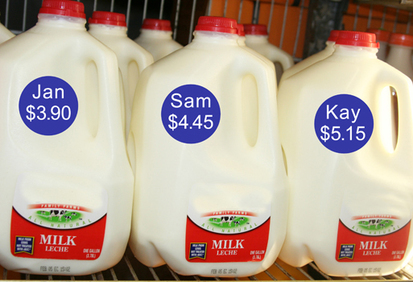
You’re in the express checkout line at the supermarket when you notice that the person in front of you has the same single item, a gallon of skim milk.  The cashier scans the shoppers’ bonus card and says the amount due—$3.90.  The clerk then scans your milk and loyalty card and tells you your total—$5.15.  “Why does my milk cost $1.25 more?” you ask.   “Because you’re able to pay more,” the cashier replies.

Today this scenario may be far-fetched, but within the next few years, or even months, personalized pricing will be within reach of many retailers who then will have a decision to make—whether to charge customers based on what they are willing and/or able to pay.

It’s not surprising that some predict that the airline industry will be the first to implement this approach.  Many of us who book flights on-line are befuddled by the variability of ticket prices even for the same seat on the same flight.  One day the price is $445 roundtrip; that evening it drops to $385; the next day it’s up to $475.

Airlines already use sophisticated pricing algorithms to maximize seat sales.  Currently those formulas consider factors such as number of current bookings and days until takeoff.  In the very near future, however, those algorithms might also include variables such as historic seating preferences and where one lives.

Some may be thinking, “But, flying requires much more personal information than is needed from shoppers buying clothing or consumables.”  That may be true, however, in the age of Big Data, on-line entities cull more information from our web activities than most of us could ever imagine.  Plus, when one takes into account that many of these organizations share their data with others, an even clearer picture of an individual’s purchasing behavior emerges with even greater potential to personalize pricing.

Furthermore, this phenomenon isn’t necessarily limited to eCommerce.  Returning to the opening example, even bricks-and-mortar retailers like grocery stores hold the potential for personalized pricing by virtue of their loyalty programs.  Of course, most supermarkets will probably never ask their loyalty card holders to report their incomes; however the stores already have detailed records of everything their customers buy, including premium vs. bargain brands and products purchased at full-price vs. on-sale or with coupons.  Yes, it will take some advanced mathematically modeling and serious computing power, but the basic infrastructure for charging certain people more already exists.

So, many companies will have the ability to use personalized pricing, but should they?  In other words, is it right to charge some consumers higher prices for the same products just because those consumers are supposedly willing or able to pay more?

At this point some may be wondering what the difference is between this pricing approach and, for instance, a restaurant charging one patron $15 for his meal at 5:30 pm, and another $25 for the same meal at 7:00 pm.  The key is that the latter pricing difference is not based on consumer attributes but on the time of purchase.  Restaurants, hotels, movie theaters, and other service providers are justified in lowering prices during off-peak times in order to even-out demand.  Such pricing policies benefit everyone; for instance, those who don’t mind eating during “early-bird” hours get a great deal on their food, while those who prefer to eat later enjoy greater time utility as well as a somewhat less crowed restaurant.

The key is that the aforementioned pricing approach does not favor any specific person.  Anyone can conceivable dine earlier or later.  In contrast, personalized pricing prevents such individual autonomy and discriminates against consumers based on factors that are at least somewhat outside of their control, as well as beyond their reasonable comprehension.  For instance, if I were the second shopper in the opening example, I would have little idea what I could do to receive a better price on my milk.

Is personalized pricing ever justified?  One acceptable case may be higher education, which is well-known for charging some individuals more than others.  Here’s why it’s likely right for colleges and universities to use personalized pricing:

  • Higher education is much more costly than most other things people purchase, which puts it out of reach for many people unless they receive help.
  • Education is something that benefits an entire society, not just the individuals who directly receive it.
  • Unlike most other cases in which organizations use price discrimination, higher education informs consumers about why and how need is determined and asks them to participate in the process, which is thorough, relatively transparent, and objective (e.g., FASFA form).
  • Technically the “sticker price” of college is the same for everyone, but people receive different amounts of aid, much of which is in the form of loans that have to be repaid.

In most other cases, personalized pricing is rather one-sided in terms of stakeholder value:  the organizations that use it benefit as do some customers, but many others don’t.  Furthermore, even if some firms reap short-term rewards due to consumers’ ignorance of the pricing inequities, it’s unlikely that those returns will last long, as customers will eventually wise-up and take their business elsewhere.

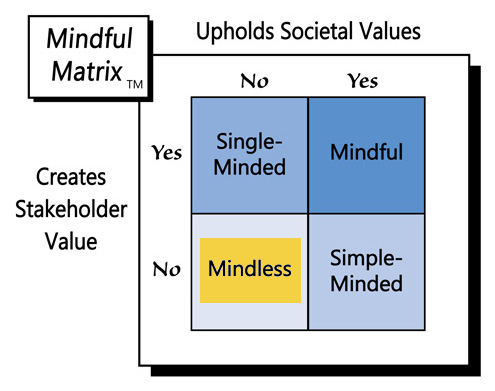
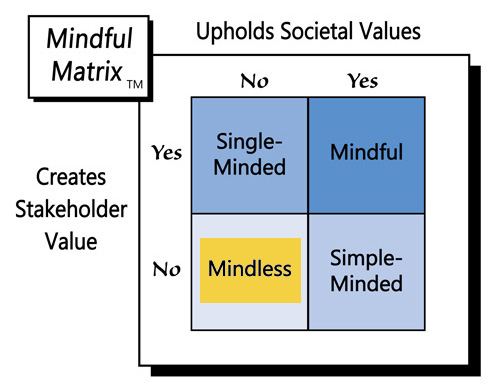
Because of its lack of fairness, its restrictions of purchasing freedom, and its failure to create long-term shared stakeholder value, personalized pricing should be considered “Mindless Marketing.”


Picture
Picture
Subscribe to Mindful Matters blog.
Learn more about the Mindful Matrix and Mindful Meter.
Check out Mindful Marketing Ads and Vote your Mind!
1 Comment
<<Previous
Forward>>
    Subscribe to receive this blog by email

    Editor

    David Hagenbuch,
    founder of
    Mindful Marketing  and author of Honorable Influence
    and
    ​Mindful Marketing: Business Ethics that Stick

    Archives

    May 2026
    April 2026
    March 2026
    February 2026
    January 2026
    December 2025
    November 2025
    October 2025
    September 2025
    August 2025
    July 2025
    June 2025
    May 2025
    April 2025
    March 2025
    February 2025
    January 2025
    December 2024
    November 2024
    October 2024
    September 2024
    August 2024
    June 2024
    May 2024
    April 2024
    March 2024
    February 2024
    January 2024
    December 2023
    November 2023
    October 2023
    September 2023
    August 2023
    July 2023
    June 2023
    May 2023
    April 2023
    March 2023
    February 2023
    January 2023
    December 2022
    November 2022
    October 2022
    September 2022
    August 2022
    July 2022
    June 2022
    May 2022
    April 2022
    March 2022
    February 2022
    January 2022
    December 2021
    November 2021
    October 2021
    September 2021
    August 2021
    July 2021
    June 2021
    May 2021
    April 2021
    March 2021
    February 2021
    January 2021
    December 2020
    November 2020
    October 2020
    September 2020
    August 2020
    July 2020
    June 2020
    May 2020
    April 2020
    March 2020
    February 2020
    January 2020
    December 2019
    November 2019
    October 2019
    September 2019
    August 2019
    July 2019
    June 2019
    May 2019
    April 2019
    March 2019
    February 2019
    January 2019
    December 2018
    November 2018
    October 2018
    September 2018
    August 2018
    July 2018
    June 2018
    May 2018
    April 2018
    March 2018
    February 2018
    January 2018
    December 2017
    November 2017
    October 2017
    September 2017
    August 2017
    July 2017
    June 2017
    May 2017
    April 2017
    March 2017
    February 2017
    January 2017
    December 2016
    November 2016
    October 2016
    September 2016
    August 2016
    July 2016
    June 2016
    May 2016
    April 2016
    March 2016
    February 2016
    January 2016
    December 2015
    November 2015
    October 2015
    September 2015
    August 2015
    July 2015
    June 2015
    May 2015
    April 2015
    March 2015
    February 2015
    January 2015
    December 2014
    November 2014
    October 2014
    September 2014

    Categories

    All
    + Decency
    + Fairness
    Honesty7883a9b09e
    * Mindful
    Mindless33703c5669
    > Place
    Price5d70aa2269
    > Product
    Promotion37eb4ea826
    Respect170bbeec51
    Simple Minded
    Single Minded2c3169a786
    + Stewardship

    RSS Feed

    Share this blog:

    Subscribe to
    Mindful Matters
    blog by email

    Illuminating
    ​Marketing Ethics ​

    Encouraging
    ​Ethical Marketing  ​


    Copyright 2025
    David Hagenbuch

Proudly powered by Weebly